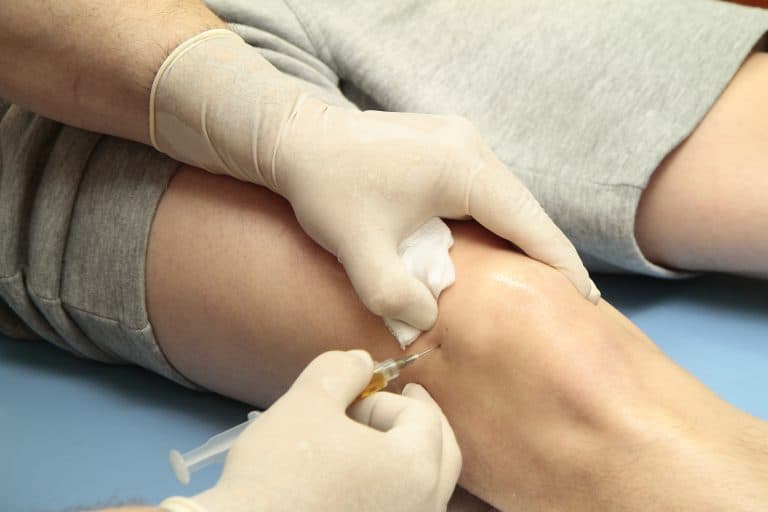



How to Know if You Tore Your Meniscus: A Practical and Scientific Self-Assessment Guide
Introduction
Knee pain can be worrying—especially if you suspect you’ve injured your meniscus. The meniscus is a C-shaped piece of cartilage that cushions and stabilizes your knee joint , and a meniscus tear is a common injury, often caused by twisting or sudden impact. If you’re unsure whether you’ve torn your meniscus , this guide will help you spot the tell-tale signs. You’ll learn practical self-assessment tips backed by recent scientific insight, so you can better understand what might be happening in your knee . Remember, self-assessment can give you valuable clues, but only a healthcare professional can provide a definitive diagnosis .
Why Early Recognition Matters: Insights from Science
It’s essential to spot a meniscus tear early. Timely recognition helps you prevent further injury and lowers the risk of chronic knee pain or long-term instability. Recent studies show that the meniscus is particularly susceptible to damage from twisting movements or putting uneven weight on your knee. Inside the meniscus , tiny cells react to this stress, making the cartilage more prone to tearing or deterioration. Understanding how easily this can happen is a great reminder to pay attention to your body’s warning signs. By acting early, you give yourself the best chance of a full recovery.
Free non-medical discussion
Not sure what to do next?
Information only · No medical advice or diagnosis.
Recognizing the Physical Signs of a Torn Meniscus
What does a meniscus tear actually feel like? Usually, you’ll notice pain along the edge of your knee , especially during twisting, squatting, or bearing weight. Some people experience their knee “giving out,” a clicking or popping sound, or even a sensation that the knee is catching or locking in one position. Swelling or bruising can also develop. These symptoms are common in a meniscus tear , but keep in mind other knee injuries can look similar. Paying attention to when and how your pain flares up can provide important clues and help you decide if it’s time to get checked out.

Why Professional Diagnosis is Essential
Although self-checking is helpful, seeing a medical professional is crucial for a clear diagnosis . Doctors use physical examination and imaging—often an MRI—to see exactly what’s happening inside your knee . These methods are well-supported by research as the gold standard for diagnosing a meniscus injury and guiding treatment decisions. Self-assessment is a great starting point, but if your knee pain persists or worsens, don’t delay getting expert help.
Practical Advice: Monitoring Your Symptoms and When to Seek Help
Keep a simple diary of your symptoms—note when you feel pain, times your knee feels unstable , and which activities trigger your discomfort. This not only helps you spot patterns, but can also give your healthcare provider valuable information. If you experience severe pain , frequent knee locking, increasing swelling, or if your symptoms don’t improve with rest, it’s time to see a medical professional. This guide is meant to support you in understanding the warning signs and making informed choices for your health—but remember, professional advice is essential for accurate diagnosis and care. By staying alert to your symptoms and seeking timely help, you set yourself up for the best chance of recovery and healthy knees in the future.
References
- Ketcham, C. J., & Hall, E. E. (2016). Caring for your brain: What you need to know about concussions. Frontiers for Young Minds, 4. https://doi.org/10.3389/frym.2016.00017
- Morgan, W. J. (1973). Do you really know your employees? Cornell Hotel and Restaurant Administration Quarterly, 14(1), 36-40.
- Shah, K., McCormack, C. E., & Bradbury, N. A. (2014). Do you know the sex of your cells? American Journal of Physiology-Cell Physiology, 306(1), C3-C18. https://doi.org/10.1152/ajpcell.00281.2013
Frequently Asked Questions
- Common signs include pain along the edge of your knee—especially when twisting, squatting, or bearing weight—alongside swelling, sensations of catching or locking, and sometimes a popping sound. If these symptoms sound familiar, visiting the London Cartilage Clinic ensures expert-led assessment and specialist care.
- Early diagnosis can help prevent further damage to your meniscus and lower your risk of long-term knee pain. At London Cartilage Clinic, Professor Lee uses the latest diagnostic techniques to ensure the most accurate assessment and to develop a personalised care plan based on scientific evidence.
- Recording when your pain occurs, what triggers it, and periods of instability offers crucial information for your healthcare provider. Bringing this to your appointment at London Cartilage Clinic provides Professor Lee with valuable insights, helping him tailor treatment and monitor your progress more effectively.
- Professor Lee is a highly experienced specialist in cartilage and meniscus injuries, leading a dedicated team at London's renowned cartilage clinic. Patients benefit from his expertise, thorough diagnostic approach, and access to advanced treatment options designed to optimise knee health and support swift, effective recovery.
- If you experience severe pain, persistent swelling, knee locking, or symptoms that do not improve with rest, it is time to consult a specialist. At London Cartilage Clinic, Professor Lee provides expert evaluation for timely diagnosis and guides you towards the most effective treatment pathway for lasting knee stability.
Legal & Medical Disclaimer
This article is written by an independent contributor and reflects their own views and experience, not necessarily those of London Cartilage Clinic. It is provided for general information and education only and does not constitute medical advice, diagnosis, or treatment.
Always seek personalised advice from a qualified healthcare professional before making decisions about your health. London Cartilage Clinic accepts no responsibility for errors, omissions, third-party content, or any loss, damage, or injury arising from reliance on this material.
If you believe this article contains inaccurate or infringing content, please contact us at [email protected].
London Cartilage Clinic
Ready to explore your options?
Our consultant-led team specialises in cartilage repair, regeneration and replacement — tailored to your diagnosis and long-term goals.
Will the Arthrosamid work for me
PAAG-8+ Questionnaire
A bright, structured entry point for patients exploring Arthrosamid. The questionnaire helps frame suitability, expectations, and 24-month clinical benefit discussion before a fuller consultant-led review.
Designed for shared decision-making. It does not replace specialist consultation, examination, imaging review, or formal medical advice.